
The FIFA World Cup 2026 is set to be a monumental milestone in the history of sports. For the first time ever, the tournament will be hosted across an entire continent—spanning the United States, Canada, and Mexico—and will feature an expanded field of 48 nations. While the excitement is reaching a fever pitch, international and local fans are beginning to realize that attending this spectacle involves much more than just securing a match ticket. Two major topics have dominated the headlines: the implementation of the FIFA Pass 2026 and the shocking revelation that FIFA is selling expensive 2026 world cup parking passes online.
In this deep dive, we will explore the technicalities of travel authorization, the breakdown of stadium logistics, and why the cost of leaving your car at the venue might actually exceed the price of your seat in the stands.
Understanding the FIFA Pass 2026
For international travelers, the biggest hurdle isn’t the distance; it’s the legal entry. Because the United States is hosting the vast majority of matches (including every match from the quarterfinals onward), the demand for U.S. visitor visas has skyrocketed. This is where the FIFA Pass 2026 (officially known as the FIFA Priority Appointment Scheduling System) comes into play.
What is the FIFA PASS?
The FIFA PASS is a collaborative initiative between FIFA and the U.S. Department of State. It is designed to streamline the visa application process for fans who have successfully purchased tickets through official FIFA channels.
- How it works: Once a fan secures a ticket, they can opt into the FIFA PASS system via the official portal. Their information is then verified, and a “priority” notification is sent to the relevant embassy or consulate.
- The Benefit: This system helps bypass the months-long (and sometimes years-long) wait times for B1/B2 visa interviews in certain countries.
- The Catch: It is crucial to note that the FIFA Pass 2026 does not guarantee a visa; it only guarantees a faster path to the interview chair.
Why It Matters for 2026
With 104 matches scheduled, millions of people will be moving across borders. Without a structured system like the FIFA Pass, the consular infrastructure would likely collapse under the weight of millions of applications, leaving thousands of seats empty and fans heartbroken.
The Parking Crisis: FIFA is Selling Parking Passes for the 2026 World Cup
While the visa process is a matter of bureaucracy, the parking situation is a matter of economics. Recent reports and early booking portals have confirmed a trend that has left the global football community in a state of “sticker shock.” It is now official: FIFA is selling parking passes for the 2026 world cup, and the prices are unprecedented.
Why Parking is a Major Issue in North America
Unlike the 2022 World Cup in Qatar, where the stadiums were clustered in a small geographical area served by a brand-new metro system, the 2026 venues are spread across massive metropolitan areas. Cities like Los Angeles, Dallas, Houston, and Miami are notoriously car-dependent.
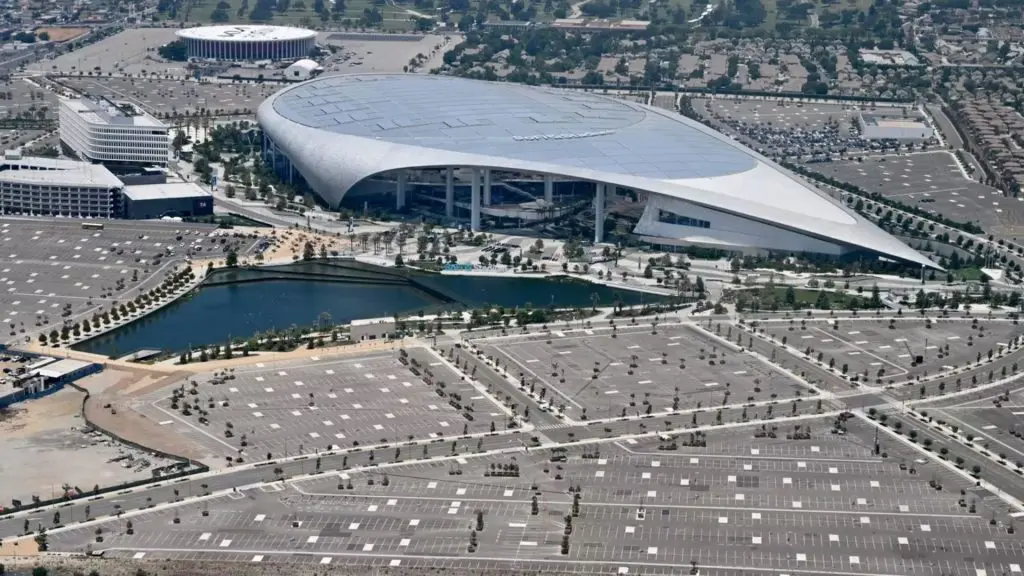
In North America, “The Tailgate Culture” is massive, but for a FIFA event, this tradition comes at a premium. Because public transit options to stadiums like the AT&T Stadium in Arlington or the SoFi Stadium in Inglewood are often limited or complicated for tourists, FIFA and the local organizing committees have a captive market.
The Price Breakdown: Why FIFA is Selling Expensive 2026 World Cup Parking Passes Online

Data from early-access booking windows suggests that parking is being treated as a “premium luxury” rather than a basic necessity. When we say fifa is selling expensive 2026 world cup parking passes online, we are referring to figures that often surpass the cost of a Category 3 or even a Category 2 match ticket.
Read More : https://fifaliveupdates.com/contact-us/
Comparative Cost Analysis
To put things into perspective, let’s look at the projected costs across various host cities:
| Host City / Stadium | Match Ticket (Approx. Avg) | Parking Pass Price |
| New York/New Jersey (MetLife) | $165 | $250 – $350 |
| Los Angeles (SoFi Stadium) | $180 | $300 – $450 |
| Dallas (AT&T Stadium) | $150 | $200 – $400 |
| Toronto (BMO Field) | $140 | $150 – $250 |
In some instances, “Gold” or “Platinum” parking spots—which are located closest to the stadium entrances—have been listed for as high as $600 for a single match. For a fan attending three group-stage matches, the cost of parking alone could reach $1,000.
Factors Driving the “Expensive Parking” Narrative
Why is it that fifa is selling parking passes for the 2026 world cup at such astronomical rates? There are three primary economic drivers:
1. Dynamic Pricing Models
Following the trend set by airlines and hotel chains, FIFA has implemented dynamic pricing. This means the price of a parking pass isn’t fixed. As the supply of spots in a specific lot dwindles, the price for the remaining spots automatically increases. If you wait until the month of the tournament to book, you might find prices double what they were during the initial release.
2. Infrastructure Limitations
Many American stadiums are surrounded by private land or shopping complexes. To secure these lots for the “FIFA Clean Zone” (a security perimeter required for World Cup matches), FIFA must lease the land at high costs. These costs are then passed directly to the consumer.
3. The “Convenience Tax”
FIFA knows that for a family of four, taking an Uber or a shuttle from a distant satellite lot can be a logistical nightmare involving long wait times in the heat. By charging $300 for on-site parking, they are essentially selling “time and convenience.
Read More : https://fifaliveupdates.com/
Global Fan Reaction: Is the World Cup Becoming Unaffordable?

The reaction from the global football community has been one of disappointment. Fans from Europe, South America, and Africa—where stadium parking is often either free or reasonably priced—are finding it hard to justify the expense.
Social media platforms are flooded with fans pointing out the irony: FIFA promotes “sustainability” and “accessibility,” yet fifa is selling expensive 2026 world cup parking passes online, which encourages only the wealthiest tier of fans to drive to the venues.
Moreover, the “Secondary Market” for parking is already heating up. Scalpers are purchasing parking passes in bulk and reselling them on third-party sites for 2x or 3x the original FIFA price. This makes the fifa pass 2026 (for visas) and the parking pass the two most stressful documents for a fan to hold.
How to Avoid the High Cost of World Cup Parking
If you are planning to attend but don’t want to fall victim to the fact that fifa is selling parking passes for the 2026 world cup at high prices, here are several strategic alternatives:
1. The “Park and Ride” Strategy
Most host cities are planning to launch dedicated World Cup Shuttles. You can park your car at a designated “Satellite Lot” (often located at a mall or transit hub 10-15 miles away) for a fraction of the cost—usually $20 to $40—and take a dedicated bus directly to the stadium gate.
2. Public Transit (Where Available)
In cities like Vancouver, Seattle, and New York/New Jersey, the rail and subway systems are relatively efficient. While they will be crowded, a $5 train ticket is a significant saving compared to a $300 parking pass.
3. Off-Site Private Lots
Websites and apps like ParkWhiz or Spothero allow you to book spots in residential driveways or private office lots that are a 20-30 minute walk from the stadium. These are often half the price of the official FIFA lots.
4. Carpooling
If you are traveling in a group, ensure you only take one vehicle. While $300 is a lot for one person, splitting it between five friends brings it down to $60 each—making it much more manageable.
Technical Preparations: Linking Your FIFA Pass 2026 to Your Logistics
To ensure a smooth experience, fans should link their travel and parking plans. Once you have used the FIFA Pass 2026 to secure your visa, your next step should be immediate logistics booking.
- Download the FIFA App: All parking passes will be digital and tethered to your account.
- Check Venue Guides: Every stadium has different entry points. Booking a parking pass on the wrong side of the stadium could add 45 minutes of walking time to your journey.
- Validate Your Pass: Ensure your parking pass is “Match Specific.” A pass for Match 10 will not work for Match 12, even if they are in the same stadium.
Conclusion: A Tournament of Planning
The 2026 World Cup promises to be an athletic marvel, but it is also proving to be a masterclass in modern event monetization. The fact that fifa is selling expensive 2026 world cup parking passes online serves as a reminder that the cost of the ticket is just the beginning of the financial journey.
From navigating the visa hurdles via the FIFA Pass 2026 to deciding whether a $400 parking spot is worth the convenience, fans must be more prepared than ever before. This is no longer just about showing up with a jersey and a flag; it is about digital queues, strategic logistics, and careful budgeting.
As we inch closer to the opening whistle in June 2026, the best advice for any fan is simple: Book early, research your transit options, and prepare your wallet for the North American experience.
Article Meta Data for WordPress:
- Focus Keyword: FIFA Pass 2026
- Secondary Keywords: fifa is selling expensive 2026 world cup parking passes online, fifa is selling parking passes for the 2026 world cup, World Cup 2026 logistics, FIFA visa priority.
- Exerpt: Attending the 2026 World Cup? From the FIFA Pass 2026 visa system to the skyrocketing costs of parking passes, here is everything you need to know to stay within budget.
- Image Alt Text: FIFA World Cup 2026 Stadium Parking Lot and FIFA Pass Documentation.
Frequently Asked Questions (FAQs)
Q1: What exactly is the FIFA Pass 2026? The FIFA Pass 2026 is a priority scheduling system designed to help ticket holders get faster U.S. visa interview appointments. It acts as a verification tool between FIFA and the U.S. Department of State to ensure genuine fans can travel in time for the tournament.
Q2: Is it true that FIFA is selling expensive 2026 World Cup parking passes online? Yes, it is confirmed. Due to high demand and the limited space surrounding major U.S. and Canadian stadiums, FIFA is selling expensive 2026 World Cup parking passes online, with some prices reported to be between $200 and $600 per match.
Q3: Can I buy a parking pass on the day of the match at the stadium? It is highly unlikely. Most host cities and FIFA officials recommend booking in advance. Since FIFA is selling parking passes for the 2026 World Cup through their digital portal, spots are expected to be sold out months before the opening whistle.
Q4: Does the FIFA Pass 2026 guarantee a visa? No. While the FIFA Pass 2026 helps you get an earlier interview date, the final decision to grant a visa rests solely with the U.S. Embassy or Consulate based on their standard security and eligibility criteria.
Q5: Are there cheaper alternatives to official FIFA parking? Yes. Fans are encouraged to look for “Park & Ride” shuttle services, use public transit (like the Link Light Rail in Seattle or the GO Train in Toronto), or use third-party parking apps to find spots in private lots further away from the stadium.
Q6: Why is the parking for the 2026 World Cup so much more expensive than previous tournaments? The cost is driven by “Dynamic Pricing,” high land-lease costs in North American cities, and the lack of mass public transit at certain stadium locations like Arlington (Dallas) or Miami.